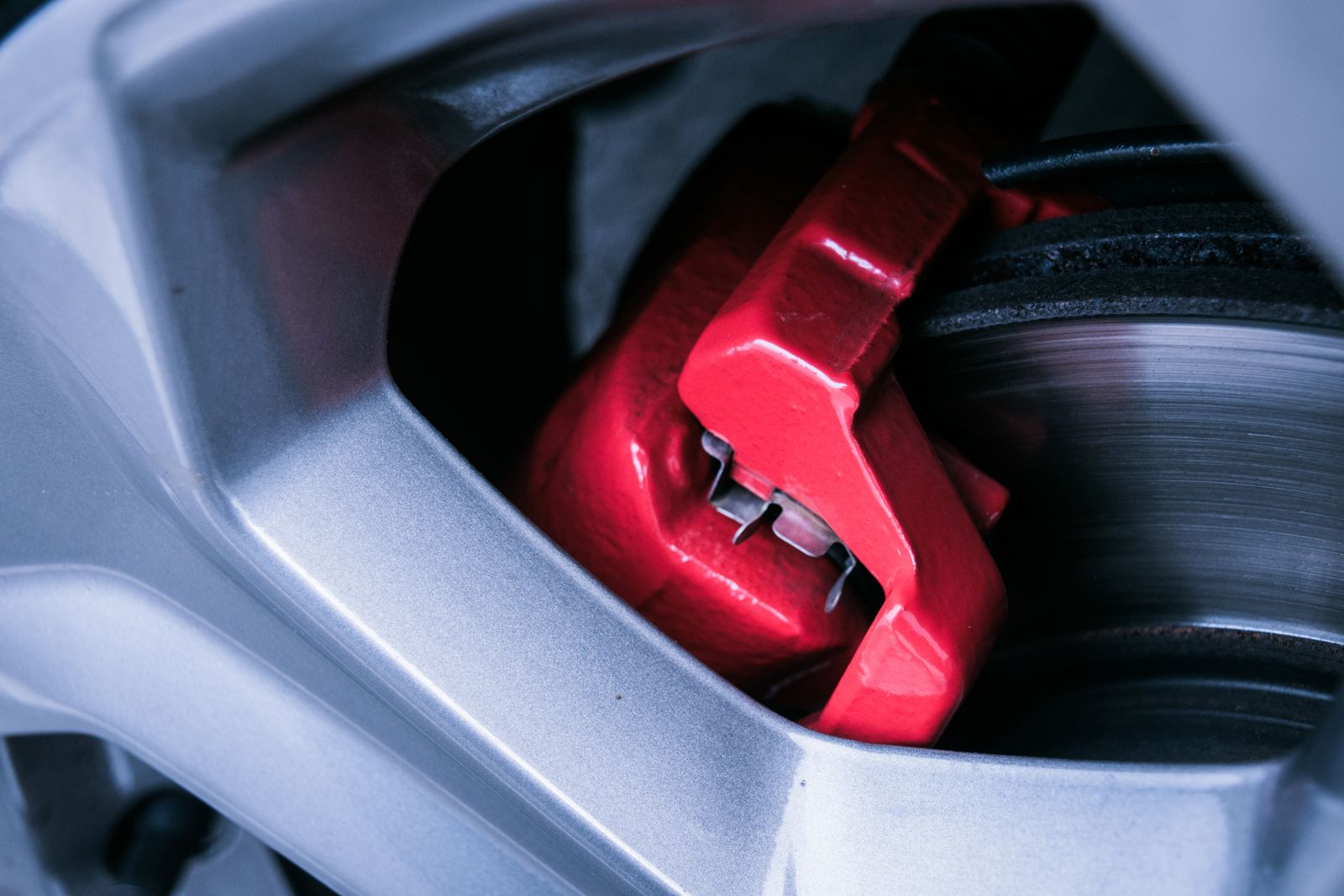
Brake Repair
Complete brake system repair for pads, rotors, calipers, fluid, and more.
Learn MoreBrake rotors are the discs your brake pads press against to stop your vehicle. When rotors become worn, warped, or scored, braking performance suffers. CastleAuto provides brake rotor replacement in Castle Rock to restore smooth, confident stops.
Brake rotors — sometimes called brake discs — are the metal discs attached to each wheel. When you press the brake pedal, the caliper squeezes the brake pads against the spinning rotors. The friction between the pads and rotors is what slows and stops your vehicle.
Rotors are subjected to intense heat and pressure every time you brake. Over time, this heat cycling can cause the metal to warp slightly. Contact with worn pads can score the surface. And every time you brake, a microscopic layer of friction material transfers between the pad and rotor — if that process is disrupted by uneven pad wear or contamination, the rotor surface becomes uneven.
Because rotors are such a critical part of the braking system, their condition directly affects how your vehicle stops. Worn or warped rotors can cause vibrations, noise, and longer stopping distances.
If your brake rotors are worn, warped, or damaged, you may notice one or more of these symptoms:
However, not every vibration or noise means your rotors are the problem. Suspension components, steering parts, and tire issues can produce similar symptoms. That's why an inspection is essential to determine the actual cause before any parts are replaced.
Brake vibration and pedal pulsation are among the most common reasons drivers seek rotor service. When the rotor surface is uneven — whether from warping, uneven pad material transfer, or scoring — the brake pads contact the rotor inconsistently as it rotates, creating a vibration you can feel in the pedal or steering wheel.
It's important to understand that vibration during braking isn't automatically a rotor problem. Worn suspension components, loose steering parts, or even tire issues can produce similar sensations. A proper inspection checks the rotors and the surrounding components to identify the true cause.
If the rotors are the source, the fix may be resurfacing or replacement, depending on how much material remains. If the cause is elsewhere, replacing rotors won't solve the problem — which is why accurate diagnosis matters before any work is done.
During a rotor inspection, we check several things:
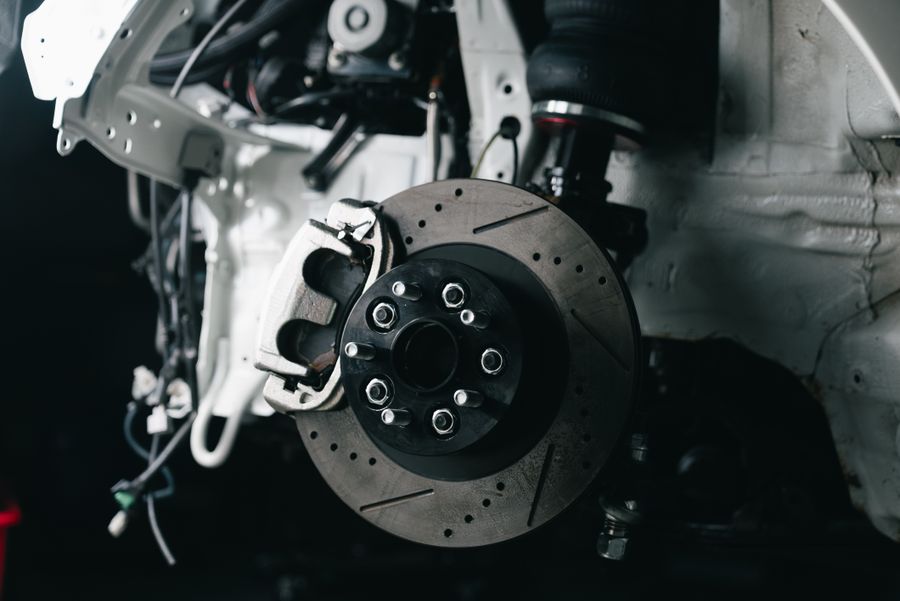
Not every rotor issue requires replacement. In some cases, resurfacing — also called machining — can restore a smooth, flat surface if the rotor has enough remaining material. However, there are situations where replacement is the right choice:
We'll always discuss your options and explain why replacement or resurfacing is recommended for your specific situation. The decision is based on the measured condition of your rotors — not on a one-size-fits-all rule.
Here's what brake rotor replacement typically involves:
Brake pads and rotors are designed to work together. The pad surface and rotor surface mate over time, creating a transfer layer that optimizes friction. When you replace one without the other, that mating surface is disrupted.
For this reason, we generally recommend replacing brake pads when replacing rotors. Old pads that have worn to match a damaged rotor won't seat properly against a new, smooth rotor surface — leading to uneven wear, noise, and reduced braking performance.
Conversely, if you're replacing pads and your rotors are still in good condition with adequate thickness, resurfacing them may be sufficient to provide a clean surface for the new pads. An inspection will determine which approach is right for your vehicle.
Questions & Answers
Steering wheel vibration during braking is often related to brake rotors, but it can also be caused by suspension or steering components. An inspection is needed to determine whether the rotors are the cause.
In some cases, rotors can be resurfaced if they have enough material remaining and the damage is limited to surface scoring or minor unevenness. If rotors are below minimum thickness, cracked, or severely warped, replacement is necessary.
Signs include vibration or pulsation during braking, grooves or scoring on the rotor surface, unusual brake noise, or uneven braking. An inspection can measure rotor thickness and condition to determine if replacement is needed.
Yes, it is generally recommended to replace brake pads when replacing rotors. Old pads may have worn to match the old rotors' surface and may not seat properly against new rotors, leading to uneven wear and reduced performance.
Call CastleAuto now or schedule your brake service online. We'll get your brakes back to full stopping power — safely and efficiently.
1375 Caprice Dr D, Castle Rock, CO 80109