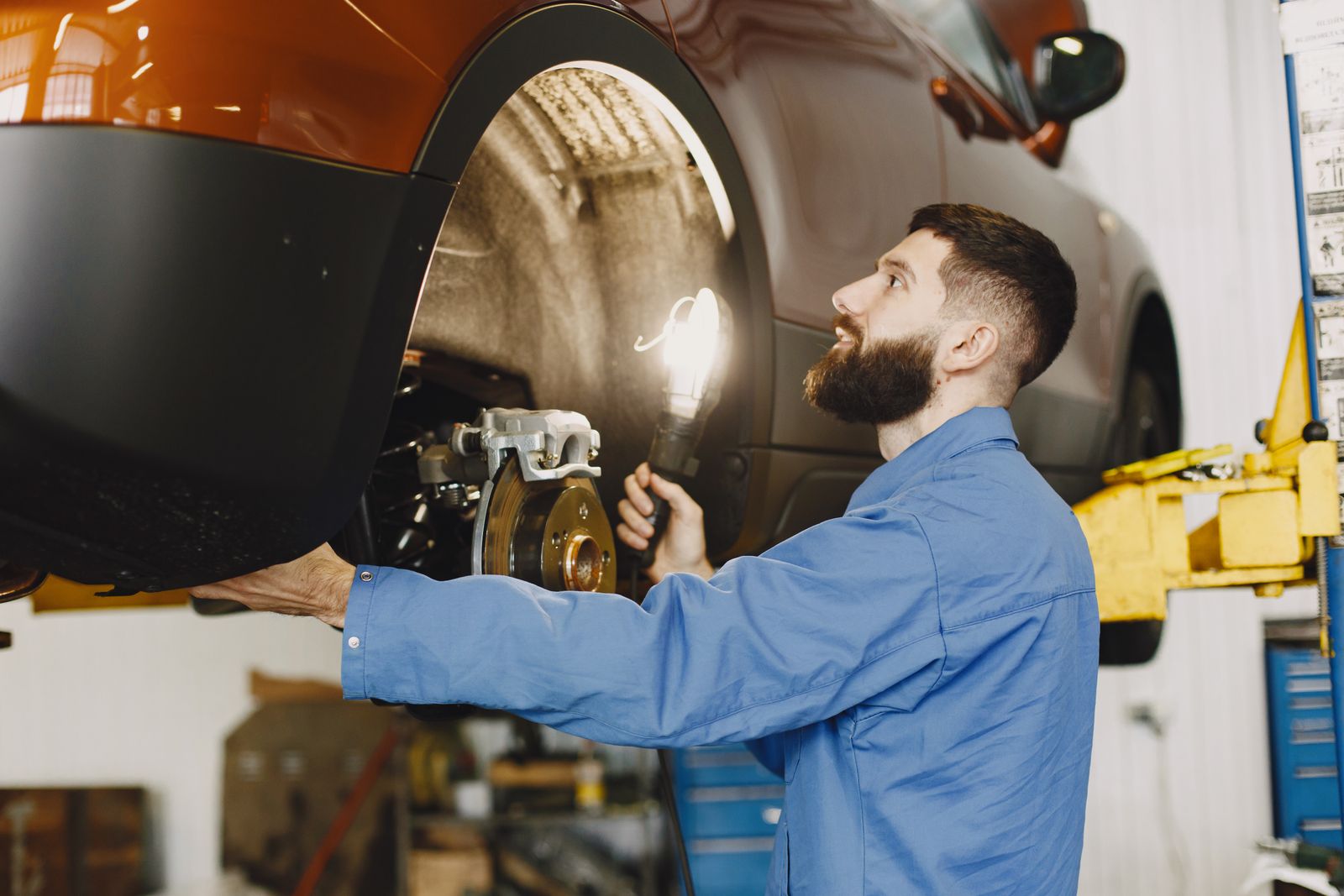
Brake Repair
Complete brake system repair based on what the inspection finds.
Learn MoreNot sure what your brakes need? A brake inspection is the first step to understanding the condition of your braking system. At CastleAuto, we inspect every major brake component to identify wear or potential problems — before they become safety issues.
Brakes wear gradually. That means you may not notice a slow reduction in braking performance until it becomes a real safety concern. A brake inspection gives you an accurate picture of your brake system's condition — so you can make informed decisions about maintenance and repair.
Regular inspections help catch problems early, when they're typically less expensive to address. Worn pads caught during an inspection can be replaced before they damage rotors. A minor fluid issue can be addressed before it affects caliper or master cylinder performance. A small ABS sensor problem can be diagnosed before it leaves you without anti-lock braking.
An inspection also provides peace of mind. If your brakes are in good condition, you'll know. If they need attention, you'll know exactly what and why.
A brake inspection at CastleAuto covers the major components of your braking system. Here's what we examine:
We measure the remaining friction material on each brake pad and check for uneven wear, cracking, glazing, or contamination. Pad condition tells us whether replacement is needed now or if the pads still have service life remaining. Uneven wear patterns between pads can also point to caliper or hardware issues.
We inspect rotor surfaces for scoring, grooving, heat cracks, and uneven wear. We check rotor thickness against the manufacturer's minimum specification and measure for runout (warpage). Rotor condition helps determine whether resurfacing or replacement is needed.
We check the brake fluid level and assess its condition. Brake fluid absorbs moisture over time, and high water content can reduce braking performance and cause internal corrosion. Fluid condition helps determine whether a brake fluid service is recommended.
We check that calipers move freely and aren't binding or seized. A sticking caliper can cause uneven pad wear, pulling during braking, and reduced braking efficiency. We also inspect caliper slides, hardware, and the condition of the rubber seals for leaks or deterioration.
We inspect brake lines for leaks, corrosion, cracks, or physical damage. Brake lines carry the hydraulic fluid that makes your brakes work — any leak or weakness in the lines can compromise brake pressure and safety.
We check for any active brake or ABS warning codes. If your dashboard brake warning light or ABS warning light is on, the inspection includes identifying the cause so it can be addressed appropriately. Learn more about ABS diagnosis.
After the inspection, we explain what we found in clear, straightforward terms. If your brakes are in good condition, we'll tell you. If we identify wear or a problem, we'll explain what it means, what options are available, and what we recommend — and why.
Repair recommendations depend entirely on what the inspection finds. We don't recommend services your vehicle doesn't need. If pads have life remaining, we'll say so. If something needs attention, we'll explain the urgency so you can make an informed decision.
You'll have the information you need to decide on next steps — whether that's scheduling a brake repair, replacing pads, or simply coming back for your next regular inspection.

Questions & Answers
Brakes should be inspected at least once a year or at every oil change. If you drive in demanding conditions — such as mountain terrain or heavy stop-and-go traffic — more frequent inspections are a good idea.
A brake inspection typically includes checking brake pad thickness and condition, rotor surface and thickness, caliper operation, brake fluid level and condition, brake lines for leaks or corrosion, and ABS system status.
A brake inspection is typically a straightforward process. We can provide a time estimate when you schedule your appointment.
Not necessarily. An inspection identifies the current condition of your brake system. If everything is in good shape, no repair may be needed. If wear or issues are found, we'll explain what we see and discuss your options before any work is done.
Call CastleAuto now or schedule your brake service online. We'll get your brakes back to full stopping power — safely and efficiently.
1375 Caprice Dr D, Castle Rock, CO 80109