Brake Repair
Complete brake system repair for pads, rotors, calipers, and more.
Learn MoreBrake fluid is what transmits the force from your foot on the pedal to the brakes at each wheel. Over time, it absorbs moisture and degrades — reducing braking performance and potentially damaging brake components. CastleAuto provides brake fluid service in Castle Rock to keep your braking system performing as it should.
When you press the brake pedal, you're pushing a plunger in the master cylinder, which forces brake fluid through the brake lines to the calipers at each wheel. The fluid pressure is what pushes the calipers, which squeeze the pads against the rotors to stop your vehicle.
Brake fluid is a specially formulated hydraulic fluid designed to transmit force efficiently while maintaining a consistent performance under the high temperatures and pressures generated during braking. It's one of the most critical fluids in your vehicle — and unlike engine oil or coolant, it's easy to overlook.
Because the entire braking system depends on hydraulic pressure, any degradation in fluid quality directly affects how well your brakes work. Old, moisture-laden, or contaminated fluid can reduce stopping power, cause a soft pedal, and contribute to internal corrosion in expensive brake components.
Brake fluid is hygroscopic — it absorbs moisture from the air over time. This is a natural property of the fluid, and it happens even in a sealed system because brake fluid reservoirs are vented to allow for fluid level changes. As moisture content increases, two things happen:
Replacing old brake fluid before these problems occur helps maintain braking performance and protect the longevity of your brake system components.
Brake fluid problems aren't always obvious, but the following symptoms can indicate that it's time for an inspection:
Even without symptoms, brake fluid can be degraded. A fluid inspection can check moisture content and condition to determine whether service is recommended.
During a brake fluid inspection, we check several things:
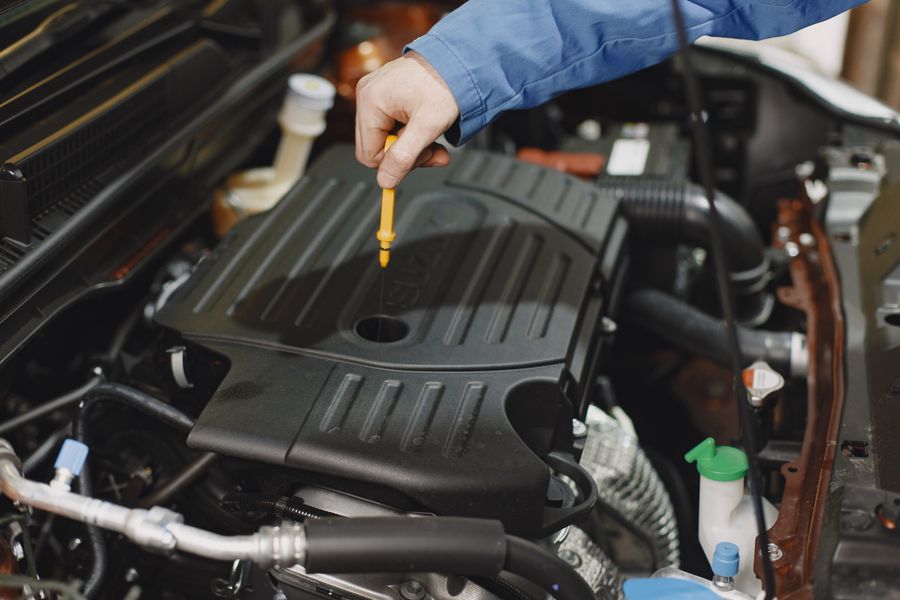
A brake fluid service — also called a brake fluid flush — involves removing the old, degraded fluid from the system and replacing it with fresh fluid. Here's what the process typically includes:
There is no universal fixed interval for brake fluid replacement. Service requirements can vary based on several factors:
For these reasons, we don't apply a one-size-fits-all interval. Instead, we recommend having your brake fluid inspected as part of a regular brake inspection, and following the recommendation based on what the inspection finds.
If you're experiencing a soft pedal or brake fade, call CastleAuto at 720-458-8077 to schedule a brake fluid inspection. Fluid issues can also be related to broader brake problems — learn more about brake repair and ABS diagnosis.
Questions & Answers
There is no universal replacement interval. Brake fluid service requirements vary by vehicle manufacturer, brake system design, fluid type, fluid condition, and how the vehicle is used. We recommend having your brake fluid inspected and following the recommendation based on its condition.
Brake fluid is hygroscopic, meaning it absorbs moisture over time. As water content increases, the fluid's boiling point drops, which can reduce braking performance under heavy use. Moisture can also cause internal corrosion in brake system components.
Signs include a soft or spongy brake pedal, brake fade during prolonged use, discolored or dark fluid, or a brake warning light. A fluid inspection can check moisture content and condition to determine if service is recommended.
A brake fluid flush involves removing the old fluid from the brake system and replacing it with new fluid. This helps remove moisture, contaminants, and degraded fluid, restoring braking performance and pedal feel.
Call CastleAuto now or schedule your brake service online. We'll get your brakes back to full stopping power — safely and efficiently.
1375 Caprice Dr D, Castle Rock, CO 80109