Brake Repair
Complete brake system repair for pads, rotors, calipers, fluid, and more.
Learn MoreBrake pads are the friction material that stops your vehicle. When they wear down, your stopping distance increases and your safety decreases. CastleAuto provides brake pad replacement in Castle Rock to keep your brakes performing as they should.
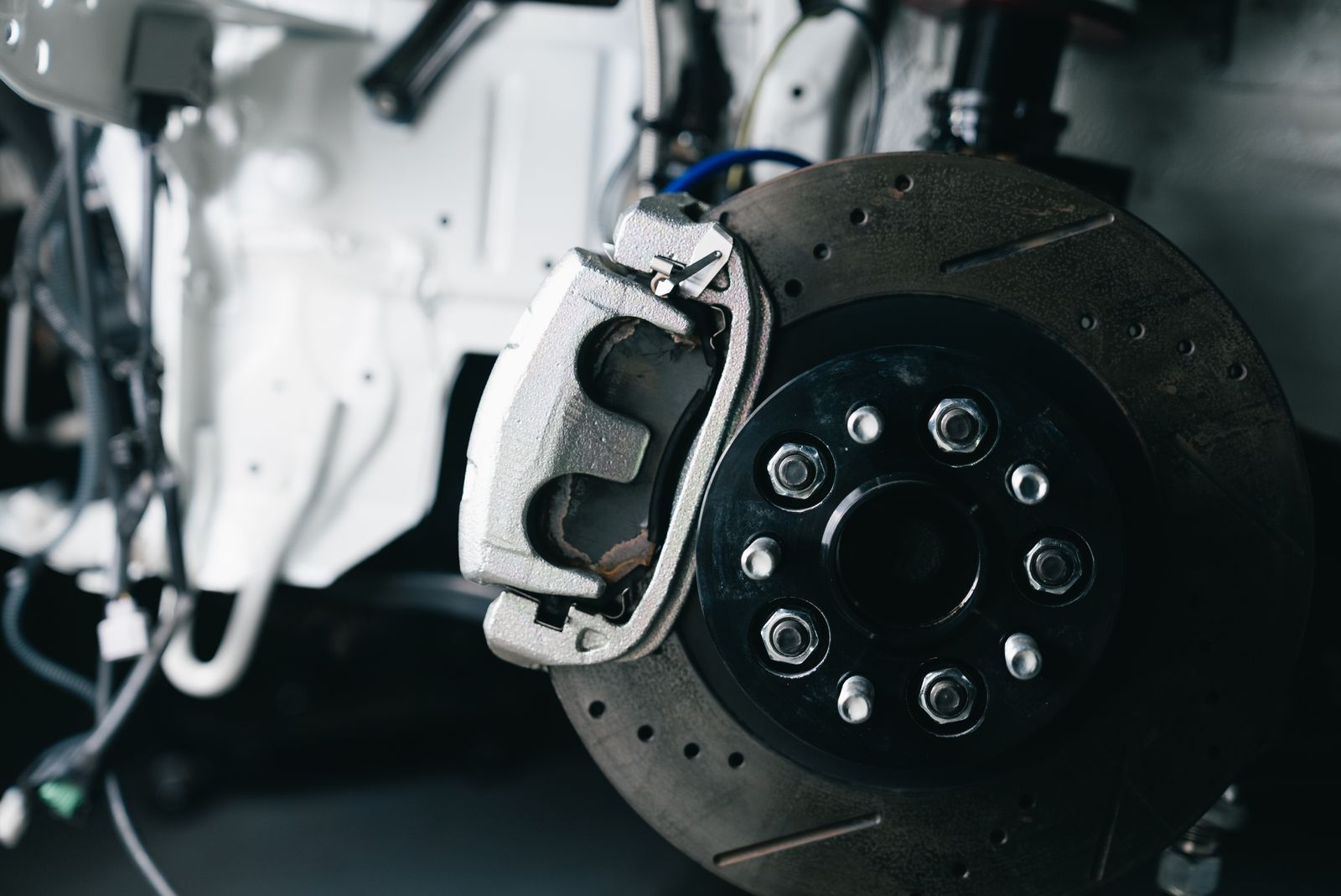
Brake pads are the replaceable friction surfaces that press against your brake rotors when you apply the brakes. When you press the pedal, hydraulic pressure pushes the caliper, which squeezes the pads against the spinning rotors — the friction between the pad and rotor is what slows and stops your vehicle.
Because they work by creating friction, brake pads wear down over time. That's by design. The pad material is softer than the rotor so that the pad wears sacrificially, protecting the rotor while providing stopping power. Eventually, the friction material is consumed and the pads need replacement.
Driving with pads that are worn too thin is dangerous. Once the friction material is gone, the metal backing plate contacts the rotor directly — causing grinding, rotor damage, and significantly longer stopping distances.
Your vehicle often gives you warning signs before brake pads are completely gone. Watch for these symptoms:
Not sure if your pads need replacement? A brake inspection can confirm the condition of your pads and help you decide on next steps.
There is no single mileage interval that applies to all brake pads. How long your pads last depends on several factors:
Because of these variables, we don't recommend waiting for a specific mileage. Instead, regular brake inspections are the most reliable way to know when your pads need replacement.
During a brake pad inspection, we measure the remaining friction material on each pad and check for uneven wear patterns that could indicate a caliper or hardware issue. We also inspect the condition of the pad surface — cracks, glazing, or contamination can all affect braking performance.
Uneven wear between the inner and outer pads, or between the left and right sides of the vehicle, can point to problems beyond simple pad wear. A sticking caliper, for example, can cause one pad to wear much faster than the others. Identifying these patterns during inspection helps address the root cause, not just the symptom.

When it's time to replace your brake pads, here's what the process typically involves:
Brake pads and rotors work as a pair — the pad presses against the rotor to create stopping friction. Because of this relationship, the condition of one affects the other.
If your rotors are worn, scored, or warped, simply installing new pads may not give you the braking performance you expect. New pads against damaged rotors can wear unevenly, produce noise, and provide less-than-optimal stopping power. In some cases, rotors can be resurfaced to provide a smooth surface for the new pads. In other cases, rotor replacement is the better option.
This is why we always inspect rotors when replacing brake pads — and why we'll discuss your rotor condition with you before completing the pad replacement. The goal is a brake system that performs safely and consistently, not just pads that look new.
Questions & Answers
Common signs include squeaking or squealing noises, grinding sounds, longer stopping distances, a soft brake pedal, or a brake warning light. An inspection can confirm whether your pads need replacement.
Brake pad life varies significantly depending on your vehicle, driving habits, terrain, and the type of pads used. There is no universal mileage interval. Regular inspections are the best way to know when your pads need attention.
Driving with worn brake pads is unsafe and can damage your rotors, leading to more expensive repairs. If you hear grinding or notice reduced braking performance, have your pads inspected immediately.
Not always, but it is often recommended. New pads against worn or scored rotors may not perform well and can wear unevenly. An inspection can determine whether your rotors need resurfacing or replacement along with the pads.
Call CastleAuto now or schedule your brake service online. We'll get your brakes back to full stopping power — safely and efficiently.
1375 Caprice Dr D, Castle Rock, CO 80109